
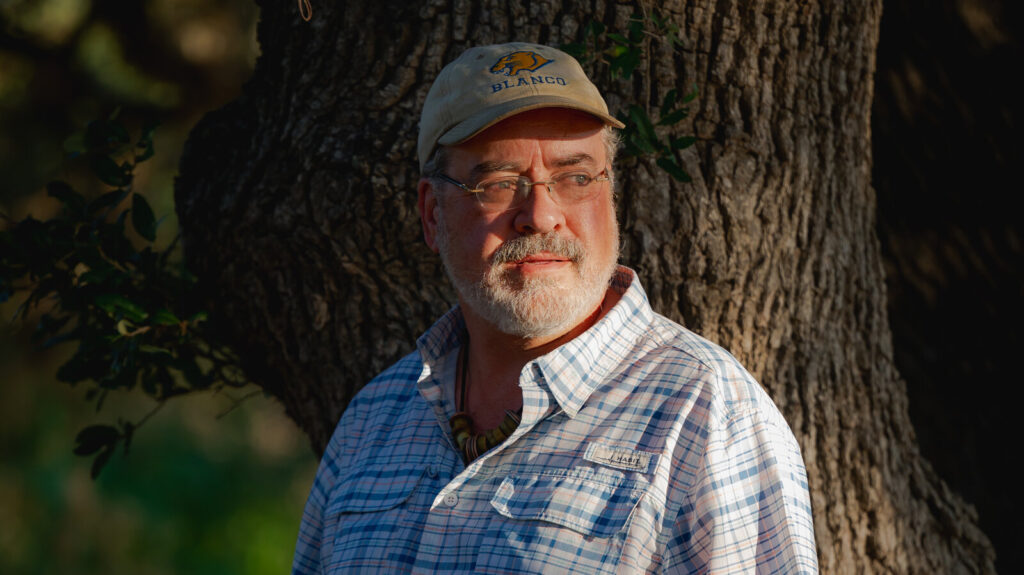
Former United States mayor Mike Arnold has said that Nigeria is currently at a critical turning point, warning that the country could move in two very different directions — becoming a strong and peaceful partner to the United States, or turning into what he described as a major security risk influenced by extremist ideology.
Arnold, who is the founder and chairman of Africa Arise International (Nigeria) and Africa Arise USA, made the comments during a presentation at a US Congress hearing. Parts of his speech were later shared on his Facebook page.
In his presentation, Arnold reviewed Nigeria’s history from the pre-colonial era to the present day and expressed concern that the government is not doing enough to tackle rising extremist violence in parts of the country.
He also commented on recent attacks blamed on armed groups, arguing that the situation is often misrepresented as simple farmer–herder clashes. According to him, the violence is more complex and reflects deeper security and ideological problems.
Arnold pointed to what he called inconsistencies in how the Nigerian justice system handles different cases. He specifically referenced the conviction of Indigenous People of Biafra (IPOB) leader Nnamdi Kanu as an example of what he described as uneven treatment of political and security-related issues.
He also criticized the government’s response to a viral incident involving a religious leader who allegedly offered a financial reward for violence against a Christian pastor after a controversial statement. Arnold said the lack of visible action from authorities raised concerns about fairness and accountability.
In his remarks, Arnold outlined the case of Nnamdi Kanu, noting his arrest abroad, return to Nigeria, and later conviction on terrorism-related charges. He also mentioned claims from human rights groups regarding how the case was handled and raised concerns about his transfer to a distant location after sentencing.
He further claimed that while some individuals involved in violent extremism are reportedly rehabilitated, many victims of displacement and insecurity are left without adequate support.
Arnold urged the US Congress to consider supporting what he described as “prisoners of conscience,” including calls for Nnamdi Kanu’s release, and suggested that asylum protection could be considered for individuals facing political or security-related persecution.
He also commented on religious leadership in Nigeria, including the Sultan of Sokoto, alleging that there has been limited public condemnation of violence in some cases, while also referencing past statements supporting religious legal structures in certain regions.
Arnold said Nigeria must urgently address its security challenges and governance issues if it hopes to avoid deeper instability, calling for international attention to the situation.