
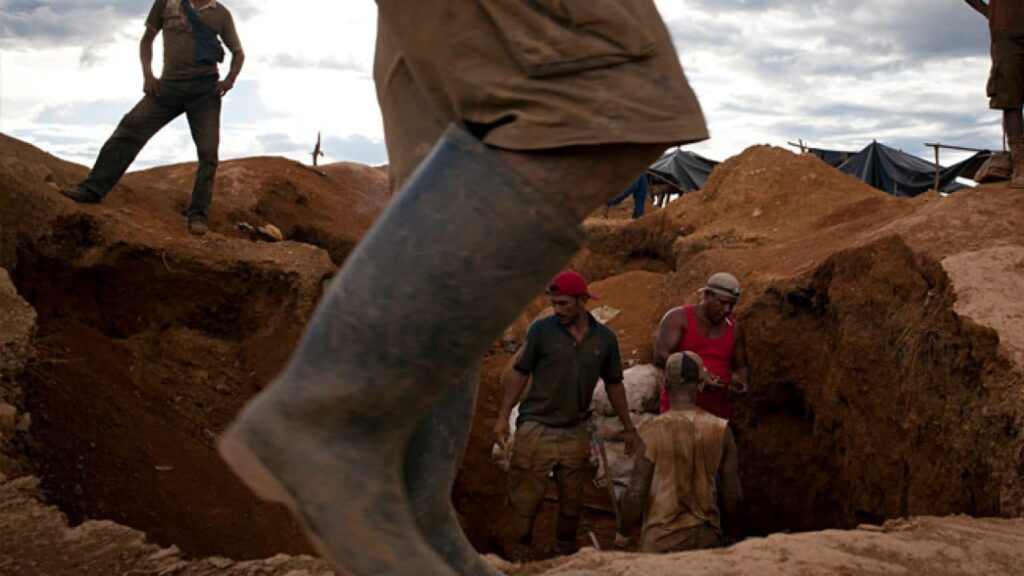
Drug abuse and illegal mining are increasingly being linked to the rising wave of youth violence across several communities in Niger State, according to findings from residents, security agencies, and community leaders.
Investigations carried out in Minna and nearby areas such as Maitumbi, Tunga, Kpakungu, Angwan-Daji, Limawa, Chanchaga, and the Western Bypass axis revealed a troubling network where drugs, gang activities, and illegal mining continue to fuel insecurity.
Many residents said young people who once lived peacefully together have now become involved in violent rivalries, cult-related clashes, and criminal activities.
In Angwan-Daji and Limawa, locals explained that fights between youth groups now occur regularly, with some ending in serious injuries or deaths.
“Some of these boys were childhood friends. Today, they attack each other over gang issues, territory, or personal misunderstandings,” a resident identified as Fatima said.
Community members also revealed that disagreements over relationships, money, and revenge attacks often grow into wider violent confrontations involving multiple groups.
Findings further showed that unemployment, poverty, easy access to drugs, and the lure of quick money from illegal mining are pushing many young people into dangerous lifestyles.
The National Drug Law Enforcement Agency, NDLEA, described drug abuse as one of the biggest triggers of violence among youths in the state.
The agency’s commander in Niger State, Shehu Gwadabawa, said many teenagers and young adults begin drug use out of curiosity before gradually becoming addicted.
According to him, commonly abused substances include cannabis, Colorado, and shisha.
He warned that many parents fail to notice the signs early until the addiction becomes severe.
“Most parents don’t realise their children are involved in drugs until the situation gets out of control,” he said.
Some youths battling addiction admitted that drugs often influence their violent behaviour.
A young resident in Maitumbi said he started smoking cannabis because many of his friends were already involved.
“When you are under the influence, small arguments easily become fights,” he explained.
Another former addict currently undergoing rehabilitation said drugs made him constantly angry and emotionally unstable.
“At a point, you lose control of your emotions completely. Some of my friends ended up dead, while others are in prison,” he said.
Security agencies also raised concern over the growing activities at illegal mining sites across the state.
The Nigeria Security and Civil Defence Corps, NSCDC, said many of the mining locations have become hotspots for gang clashes and criminal activities.
Officials identified areas around Western Bypass, Maitumbi, Chanchaga Bridge, and other parts of Minna as locations where violent disputes frequently occur among rival groups.
Residents disclosed that both local youths and outsiders from other regions now operate within many illegal mining camps, creating intense competition and tension.
Women and children were also reportedly seen working around some mining sites, highlighting the worsening economic hardship affecting many families.
The Niger State Government said it has intensified collaboration with security agencies to tackle illegal mining and restore peace in affected communities.
The Commissioner for Mineral Resources, Mohammed Qasim Danjuma, explained that illegal mining has gone beyond an economic issue and is now contributing heavily to insecurity across the state.
Civil society organisations also expressed concern over the growing involvement of teenagers in drug use and mining-related violence.
A programme officer with Advocates Without Borders, Mairo Mohammed Allawa, said children as young as 12 are now exposed to drugs and dangerous environments around mining areas.
According to her, many youths are attracted to illegal mining because they see it as a quick source of money to support drug habits and survive harsh economic conditions.
The Nigeria Police Force admitted that although regular raids are carried out in criminal hideouts, many suspects often return to the streets shortly after arrest.
Police spokesperson SP Wasiu Abiodun said weak prosecution, bail conditions, and difficulties securing convictions continue to frustrate efforts to reduce gang violence.
Residents who lost family members during violent clashes described the emotional pain caused by the crisis.
A mother in Tunga-Goro said her son ignored repeated warnings before he was eventually killed during a gang fight.
“I kept begging him to stay away from those boys, but he refused. One night, he never came back home,” she said.
Many residents now live in fear, especially in communities where clashes between rival groups happen frequently.
Several stakeholders believe the crisis will continue unless authorities strengthen action against drug abuse, illegal mining, youth unemployment, and weak law enforcement systems that allow many offenders to return to the streets.