
Court watches video confessions as suspects speak on alleged plot against Tinubu government
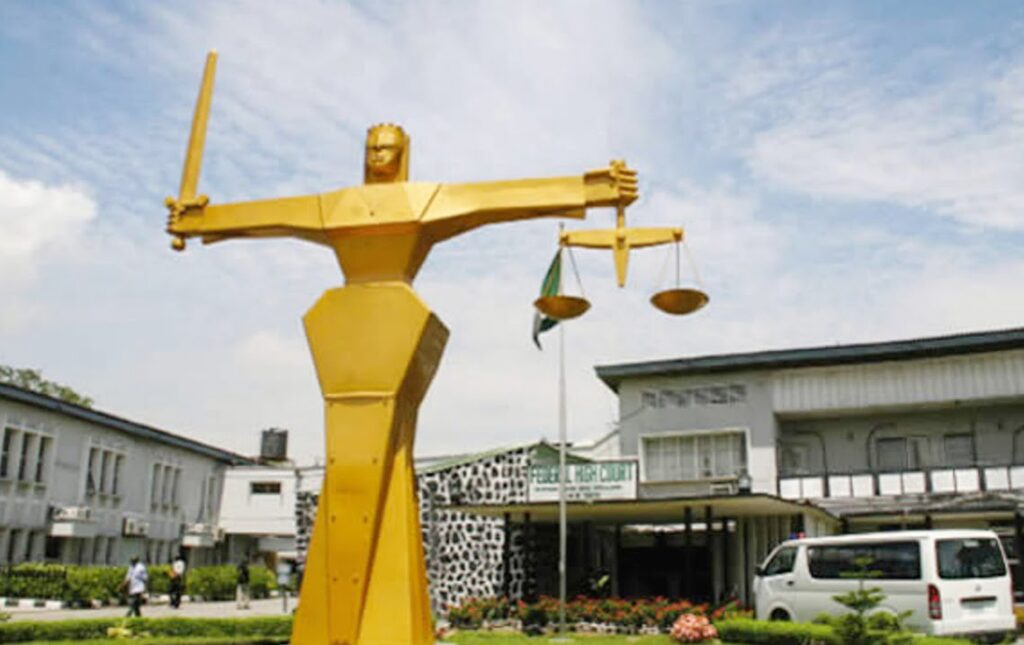
A Federal High Court in Abuja has reviewed video recordings showing interrogation sessions involving three of the six men standing trial over an alleged plan to overthrow the government of President Bola Ahmed Tinubu.
The recordings were played in open court on Monday and contained statements from the defendants, including retired Navy Captain Erasmus Ochegobia Victor, Inspector Ahmed Ibrahim, and retired Major General Mohammed Ibrahim Gana.
In the videos, two of the accused persons admitted they were aware of discussions about a possible coup, while one of them denied having prior knowledge of any such plan.
The footage was submitted to the court by the prosecution in a storage device. However, defence lawyers objected to its use, arguing that the statements were not made freely and should not be accepted as evidence.
They also protested the decision to play the recordings before the court had officially ruled on their admissibility.
Justice Joyce Abdulmalik overruled the objections and allowed the videos to be shown, stating that it is normal procedure in such trials. She also said the issue of whether the statements were voluntary would be determined later during a trial-within-trial.
During the session, the court first viewed the interview of retired Major General Gana, who said he left the Nigerian Army in 2010 after serving as Chief of Defence Logistics.
Gana told investigators he had lived a quiet life since retirement and had no record of criminal or disciplinary issues during his service.
He admitted knowing one of the alleged key figures, Colonel M. A. Ma’aji, but said he was unaware of any coup plans and would have reported it if he had known.
He also explained that his name appeared in the investigation due to a money transfer of ₦2 million linked to him.
The retired general acknowledged forwarding messages on WhatsApp that included a past coup speech and other political content, but said he only shared them without editing or endorsing them.
He denied allegations that he took part in planning or funding any operation against the government.
Retired Captain Victor, the second defendant, admitted knowing Ma’aji and said he was aware of talks about overthrowing the government but did not report it due to their relationship.
He told investigators that Ma’aji had expressed frustration over career issues and made angry comments about the system, but Victor said he advised against any illegal action.
He also admitted being asked to provide financial support and assist in arranging logistics, including accommodation, with promises of future benefits if the plan succeeded.
However, he said he refused to take part and did not assist in any way.
Victor stated that he now regrets not reporting the matter earlier and said his relationship with Ma’aji affected his judgment.
Visibly emotional in the video, he said he felt remorseful for failing to alert authorities and asked the court for mercy.
He described his situation as unfortunate and said he wished he had acted differently.
He also appealed for leniency, noting his years of service in the Navy and comparing his case to amnesty granted to repentant criminals in other situations.
Police Inspector Ahmed Ibrahim, who served at the State House, told investigators he was initially contacted to help facilitate a promotion request for Ma’aji.
He said the discussions later shifted into conversations about plans to remove the government.
Ibrahim admitted receiving between ₦1.4 million and ₦1.5 million and said he participated in surveillance activities around the Presidential Villa area, including Aguda House.
He also confirmed taking photos of parts of the State House and discussing possible access routes.
According to him, coded words such as “farming” and “fertiliser” were used to disguise conversations about funding and operations.
However, he claimed his involvement was based on poor judgment and trust in the main suspect, insisting he never believed the plan could succeed.
At the start of each interview session, investigators explained that the recordings were made under the Administration of Criminal Justice Act (ACJA) to ensure transparency and confirm that no coercion was used.
They also informed the suspects of their right to remain silent during questioning.
The case has been adjourned, with further hearing scheduled to continue on Tuesday at 11 a.m.
You may Like: World Press Freedom Day: 85% of crimes against journalists end without punishment—UN report