
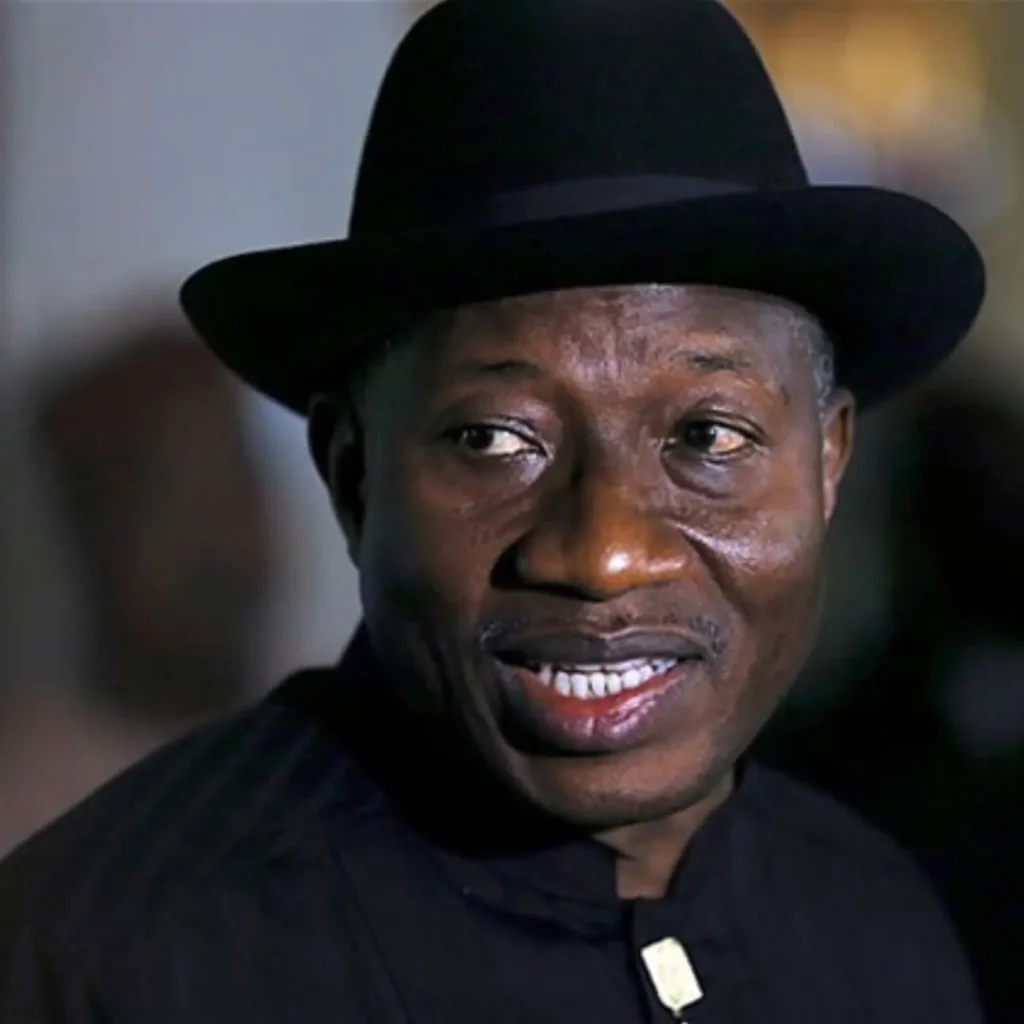
Political discussions ahead of the 2027 general elections have taken a new turn as analysts express different views over whether former President Goodluck Jonathan would receive strong support from Northern political interests if he decides to contest again.
A political analyst based in Kano, Kabiru Ojo, said Jonathan may struggle to gain the backing of the Northern political bloc due to issues surrounding regional politics, zoning arrangements, and distrust among influential political elites.
Speaking on the growing conversations around Jonathan’s possible return to active politics, Ojo explained that many Northern power brokers may not fully support the former president despite ongoing speculations linking him to the 2027 race.
The debate intensified after a faction of the Peoples Democratic Party reportedly announced Jonathan as its preferred presidential candidate for the next election.
The Tanimu Turaki-led interim leadership of the party had claimed that Jonathan emerged as the sole candidate after an internal screening exercise, with former Niger State governor Mu’azu Babangida Aliyu reportedly saying the former president was granted a waiver because of his political status.
However, Jonathan’s camp quickly distanced itself from the reports.
His Special Adviser, Jude Imagwe, stated that the former president had neither accepted any nomination nor obtained presidential nomination forms.
According to him, many of the claims circulating online were merely political speculation aimed at creating public attention.
Reacting to the situation, Ojo argued that ordinary Northerners and political elites may view Jonathan’s possible return differently.
He said many average citizens battling economic hardship may remember Jonathan’s administration more positively because food prices and living conditions were relatively better compared to the current situation.
“For many ordinary people, Jonathan’s era is remembered as a period with less economic hardship,” he explained.
However, Ojo noted that insecurity remained a major issue during Jonathan’s administration, adding that many voters may still question whether he can effectively tackle Nigeria’s current security crisis if given another opportunity.
He also said support for Jonathan could reduce significantly if a strong Northern presidential candidate enters the race.
According to him, many Northern voters traditionally prefer candidates from their own region whenever such options are available.
The analyst further claimed that some Northern political elites may oppose Jonathan’s return because of lingering political tensions linked to the 2015 elections, when a coalition removed him from office.
He suggested that some influential politicians may fear political retaliation if Jonathan returns to power.
Ojo also argued that Jonathan’s entry into the race could reshape the political calculations ahead of 2027, especially if he contests under the PDP platform alongside other major opposition figures.
He added that the emergence of several strong candidates could split votes across regions and complicate the chances of any single dominant political party.
On the issue of power rotation, the analyst explained that zoning remains more of a political understanding than a constitutional requirement.
According to him, debates around fairness and regional balance continue to influence political conversations across the country.
Meanwhile, another Kano-based political analyst, Aminu Rabiu, offered a different perspective, saying the administrations of former President Muhammadu Buhari and President Bola Tinubu have changed how many Nigerians now view Jonathan’s leadership.
Rabiu said Jonathan’s image has improved significantly since leaving office, with many Nigerians now seeing him as a more democratic and peaceful leader.
He explained that while Jonathan was heavily criticised during his time in office over corruption and insecurity, the challenges experienced under later administrations have caused many citizens to reassess his performance.
According to him, Jonathan is now increasingly viewed as a leader who prioritised national unity and peaceful democratic transitions.
Rabiu also praised Jonathan’s involvement in election observation missions and peace-building efforts across Africa, saying those international engagements have strengthened his reputation both locally and globally.
He added that many Northern voters may now view Jonathan more favourably compared to previous years.
The analyst even suggested that Jonathan could remain a strong political force if he decides to contest against major national figures in 2027.
Despite this, Rabiu said he personally believes Jonathan may have already completed his political journey as president, noting that the former leader spent several years in office after taking over power in 2010 and later winning the 2011 presidential election.
The debate over Jonathan’s eligibility for another presidential contest is also expected to continue in court.
A case currently before a Federal High Court in Abuja seeks clarification on whether the former president is constitutionally qualified to run in 2027, based on arguments surrounding his years in office after succeeding late President Umaru Musa Yar’Adua.
The court is expected to deliver judgment on the matter on May 26.