
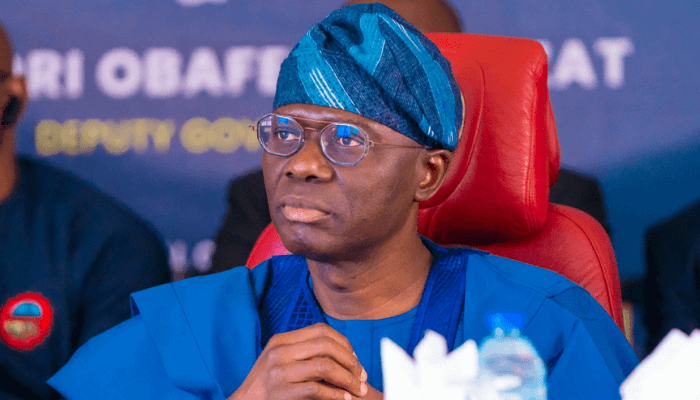
The Lagos State Government has introduced a new “no power, no pay” system as it signed three fresh electricity purchase agreements aimed at improving power supply across public facilities.
Governor Babajide Sanwo-Olu announced the development in a statement on Sunday, saying the move is part of efforts to fix gaps in electricity delivery and make supply more dependable across the state.
He explained that the agreements were signed at the Lagos House, Marina, where the state government finalised partnerships with different power companies to boost service delivery.
Under the new arrangement, power providers have been assigned specific areas and facilities. Fenchurch Power will supply electricity to major water installations in Adiyan and Iju. Mainland Power will continue serving Ikeja, Oshodi, and Anthony, with plans to extend its coverage further. Viathan will remain responsible for powering key facilities on Lagos Island while also working to better connect its supply to the wider distribution network.
Sanwo-Olu said the contracts have been redesigned to reflect current conditions in the energy sector and to ensure more transparency in payment.
According to him, the government will no longer pay for electricity that is not actually delivered. Instead, payments will now depend on verified, metered power supply, which is expected to reduce waste and improve efficiency in spending.
He added that the policy will help the state manage resources better while ensuring that service providers are held accountable for performance.
The governor also noted that the new agreements are expected to improve electricity availability for public infrastructure such as water systems, offices, and other essential services across Lagos State.
He said the long-term goal is to build a more stable power system, reduce inefficiencies, and support future expansion of electricity capacity in the state.