
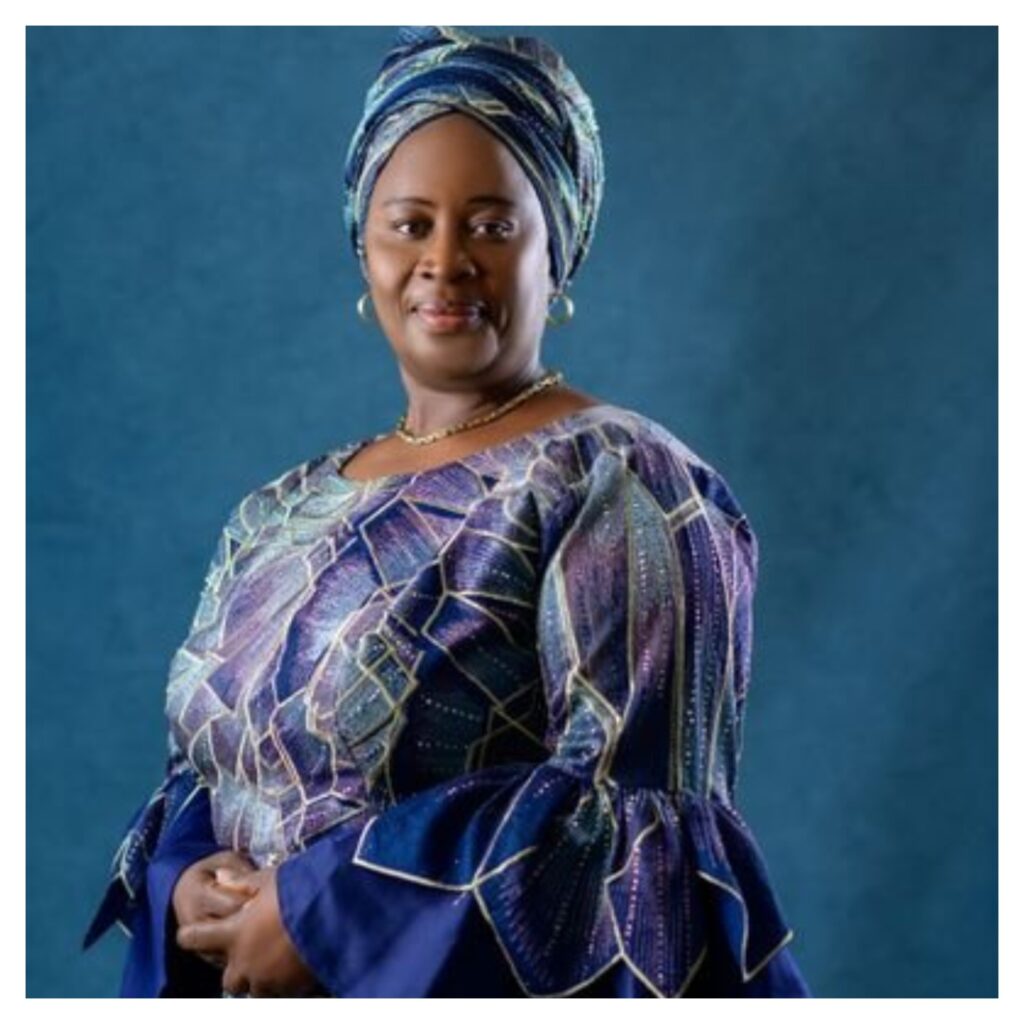
The United Nations Women Representative for Nigeria and the Economic Community of West African States (ECOWAS), Beatrice Eyong, has renewed calls for equal participation of women in leadership, urging Nigerian political leaders to ensure women occupy half of all decision-making positions across the country.
Speaking during an interview with Chikas Kumle, Executive Director of the Women Development Monitoring Initiative, Eyong stressed that women deserve equal representation because they make up nearly half of Nigeria’s population.
She argued that governance structures at every level should reflect the country’s demographics, adding that women should have the same opportunities as men in politics, business, and public service.
According to her, it is unacceptable for women to remain largely underrepresented in parliament, state assemblies, and leadership positions despite their significant contribution to society.
Eyong maintained that true gender equality means creating a system where leadership roles are shared fairly, with women holding 50 percent of positions in government institutions, legislative bodies, and the private sector.
She also noted that inclusion should not be limited to a select group of women. Instead, it should extend to women from all backgrounds, including widows, women living with disabilities, and those from disadvantaged communities.
The UN official warned that excluding sections of society from governance and development could create frustration and social unrest in the future.
She explained that when people feel ignored or denied opportunities, they are more likely to seek alternative ways to make their voices heard.
Eyong further called for leadership that is built on accountability, transparency, participation, and respect for the rule of law, stressing that public office should serve the interests of citizens rather than personal ambitions.
She also linked the growing disappointment many Africans feel toward democracy to the inability of some democratic systems to improve living conditions and deliver meaningful benefits.
According to her, many young people and women have become discouraged because the promises of democracy have not translated into real improvements in their daily lives.
Eyong expressed confidence that greater female participation in leadership would help address many of the challenges facing communities and accelerate national development.
She said women often bring unique experiences and perspectives to governance, making them better positioned to champion policies that improve welfare, strengthen families, and promote sustainable growth.
The UN representative added that increasing women’s presence at decision-making tables would not only strengthen democracy but also contribute to economic growth and a better quality of life for citizens across the country.